New announcement. Learn more

Water safetyDogs and waterSwimmingLimitsHouse rulesTeaching rulesBoundariesIncreasing behaviourReinforcementRewards#dogtrainingPeak body conditionBody condition scoreBody conditionCutting nailsNail trimsDesensitisationCooperative CareNail MaintenanceDog clawsClawsDog NailsIngredient SplittingCanine NutritionNutritionDistance increasing behaviourFight or flightLead ReactivityTension on leadLeash skillsThree second ruleGreeting on leadDogs greetingDogs meetingSuburban dogsDogs in the cityApartment dogsCity DogsFresh feedingHybrid feedingAdding valueProcessed foodDry foodKibbleDangerous equipmentRetractable leashesWalking equipmentWalking leashesGuarantee servicesDog training outcomesGuarantees in dog trainingBehaviourPremackDogs and chasingPrey driveDogs and poultryDogs and ducksDogs and geeseDogs and chickensDaycareDoggy DaycareMovementHealthy dogsEvidence basedJoint supplementsJoint HealthPulling on the leadSafe equipmentPullingEquipmentHarnessesAppropriate puppy playPlay stylesPuppy behaviourPuppy classesPuppy playSniffingUsing a long lineTraining skillsLong leashCritical distanceSelf rewarding behavioursDogs diggingNatural behavioursDiggingHuman emotionsAdding to the familyTeeth cleaningChewingDental seaweedWellnessTeethPrimary reinforcersHealthy treatsFood for trainingTraining treatsThreshold levelsStress in dogsDog developmentYoung dogsFear stagesFear periodsReframing ReactivityDog reactivityCandlesPuppuchinoDog cafesDog mannersCafe etiquetteCafe behaviour for dogsCore vaccinesCanine wellnessCanine vaccinationsTitre TestingDog anxietyDog behaviourDog body languageDisplacement behavioursPuppy growth platesStairs and puppiesPuppy safetyPuppy growthGrowing puppiesRaw feedingNutrient balanceRaw feeding puppiesReactivityTrigger stackingArousalDog walkingWalking dogsGuarding itemsPuppy aggressionResource GuardingDogs in carsTravelling with dogsCar sicknessPlay growlingFearful dogsGrowling dogsFeeding bones to dogsRaw bonesFresh Food FeedingFeed freshCarotenoidsCarrots for dogsFresh feeding for dogsCarrotsOver ArousalDog AggressionRedirected AggressionScared dogsChanging associationsThunderstormsRelaxingZen zoneSafe placeChoiceRest zoneCanine body languageVisitors to the homeDogs meeting new peopleDogs and strangersFeeding dogsMultidog householdPuppy trainingAdolescent dogsPuppy licenseDog trainingDiet and exerciseTired dogDog downtimeDog exerciseReactive dogsMuzzles
TAGS

Introducing Dogs to Swimming

Introducing Dogs to Swimming

Not all dogs – even those bred to work in water, know how to swim. Some love the water and take to it easily, others may take some time or just not like it at all. So, how do you introduce dogs to the concept of swimming?

Choosing the Location

Pool, lake, creek, beach? You may be lucky to have all these options, or maybe it’s only the occasional beach trip.

Pool – convenient if you have one, but entry for puppies is difficult unless you have a beach style entry.

Lake/creek – fantastic option – allows gradual entry, play on the ‘shore’ in shallow water to build confidence.

Beach – can be scary due to the waves. Even calm beaches can be challenging. They do allow for gradual entry and play on the water line to build confidence.

Safety

Use a light weight long line if going to a beach/creek or lake if your dog doesn’t have a good recall.

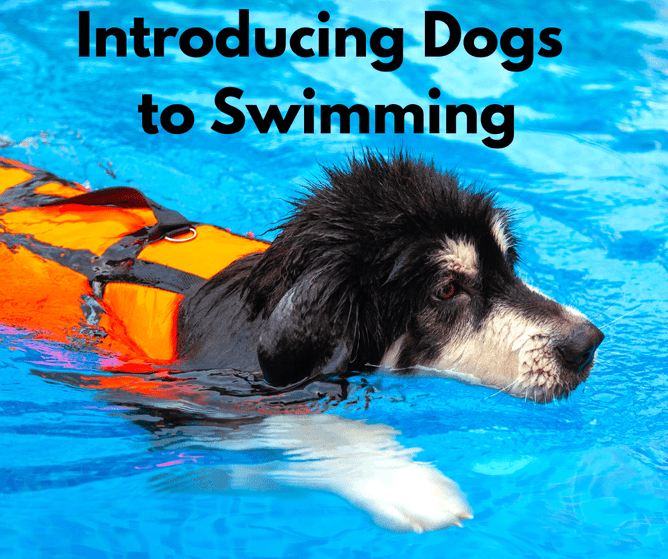
A life jacket can be used providing your dog is happy to wear one. We recommend practicing wearing it at home first. This is a sensible option for any bodies of water that may be unpredictable.

Starting Out

Always allow choice, never force your dog into water

Play on the edge/around the water first – use a favourite toy, build confidence by teaching your dog to pick up the toy in shallow water first.

Use a confident older dog/s to help show puppies the ropes. Often puppies will follow older dogs into the deeper water but be sure they don’t accidentally find themselves ‘out of their depth’ and panic.

Go in with them – many dogs will follow people into the water but again be sure to not force.

If your dog is not wearing a life jacket, you may need to support their body weight until they get used to the sensation and start to use their legs.

You can also try using a pool noodle so your dog can be supported if they don’t have a life jacket on.

If in a pool, teach the exit of pool first:

Lure in and out of first step, then if your dog is confident enough to swim, do a small loop around then back to step first, then gradually a bigger loop.

Take Your Time

In our experience, every puppy takes different amounts of time to get used to and be confident swimming. Having dogs bred to retrieve in water does help, but as we said at the start, it doesn’t automatically mean that they can swim first try.

Take as many visits and tries as needed, some dogs prefer to have their feet touching for a long time before working out they can actually swim when the water gets deeper 😊