NEW PUPPY PREPARATION
Bringing a new puppy home is an exciting time. Being well prepared can set you and your puppy up for success. Here is what you need to know…
As a Family, Decide...
Which (if any) areas will be out of bounds for your puppy, such as carpeted rooms, bedrooms, kitchen areas, furniture etc. You may need to baby gate or barrier off some areas.
Who will be responsible for puppy care at different times/days of the week? Make sure you cover toileting, feeding, training, play, medication/worm treatments etc.
As puppies are babies, they will need lots of attention, similar to a human toddler, so you will need to include time for play and training.
Make a roster if necessary.
Have you booked into a modern, positive puppy class? Good classes book out fast.
Sleeping Arrangements
Where will the puppy spend its days and evenings? What will your puppy do when you can’t be actively supervising? Puppies need to be supervised when outside their pen otherwise it’s like letting a toddler run loose around the house!
Most puppies can’t regulate their temperature well initially, so depending on the time of year you will need to consider temperature; cool well-ventilated spaces in summer, warmer ones in winter.
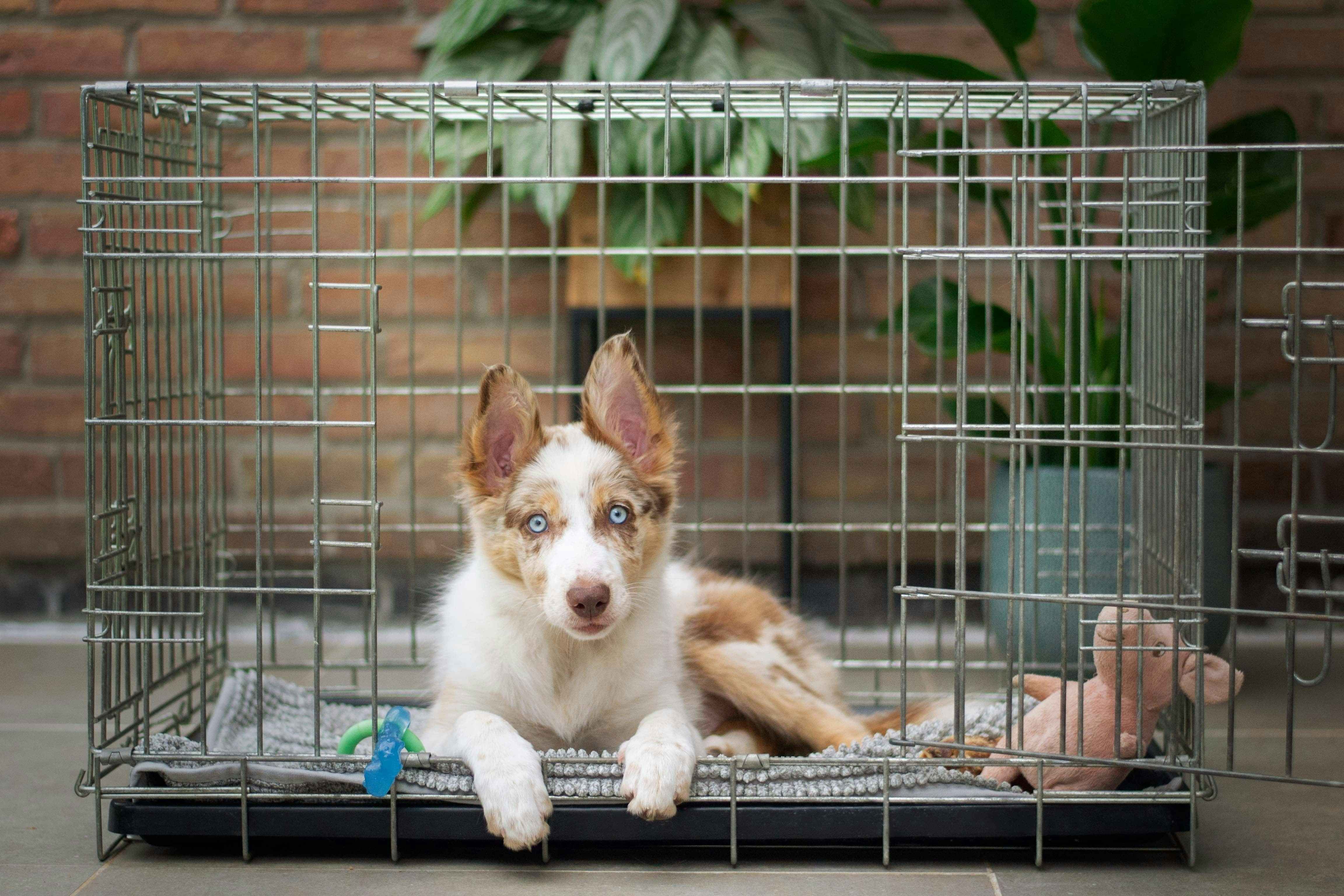
We recommend the short term/long term confinement protocol that encourages puppies to sleep in a crate overnight and be confined in a pen when you can’t actively be supervising them until toilet training is reliable.
You Will Need...
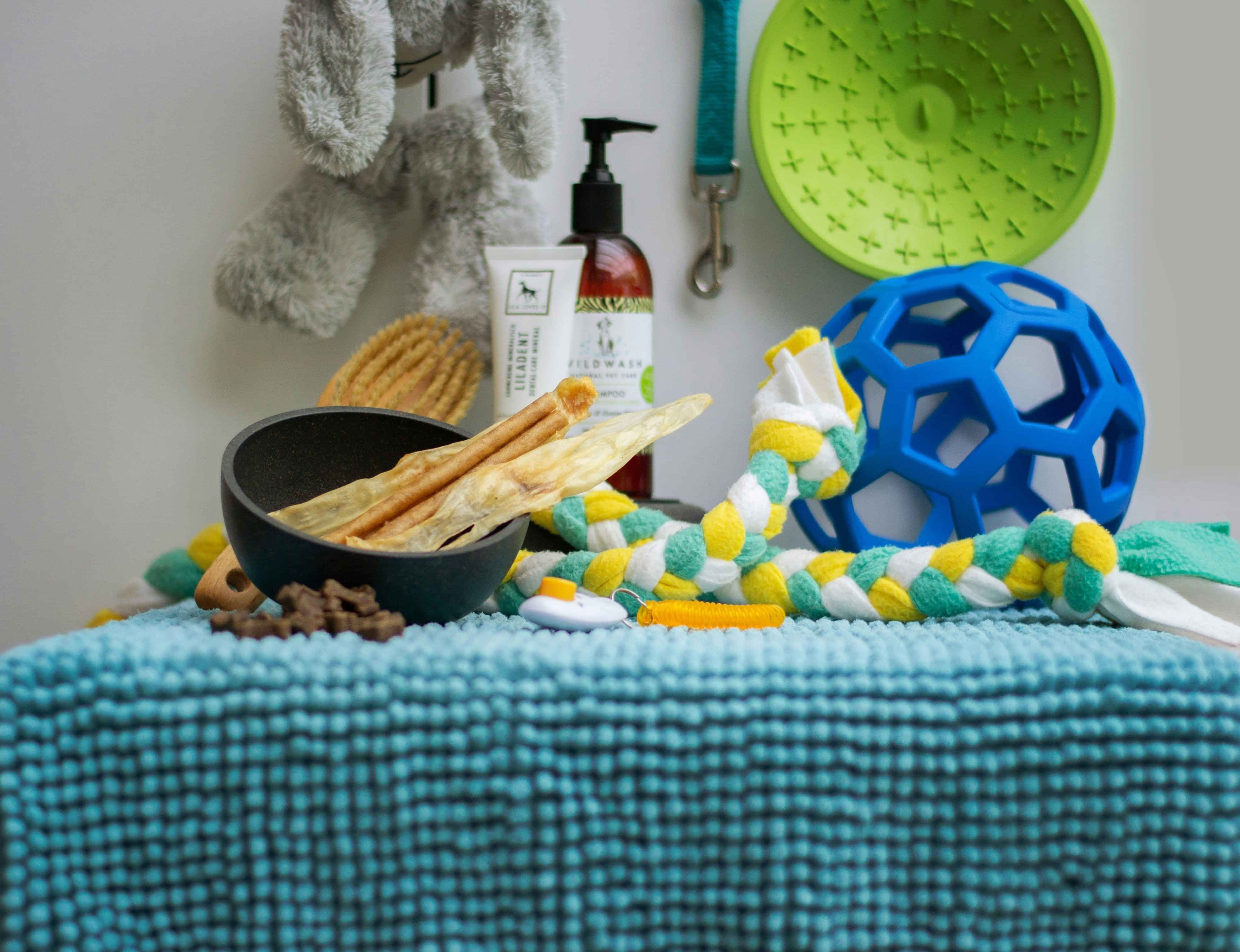
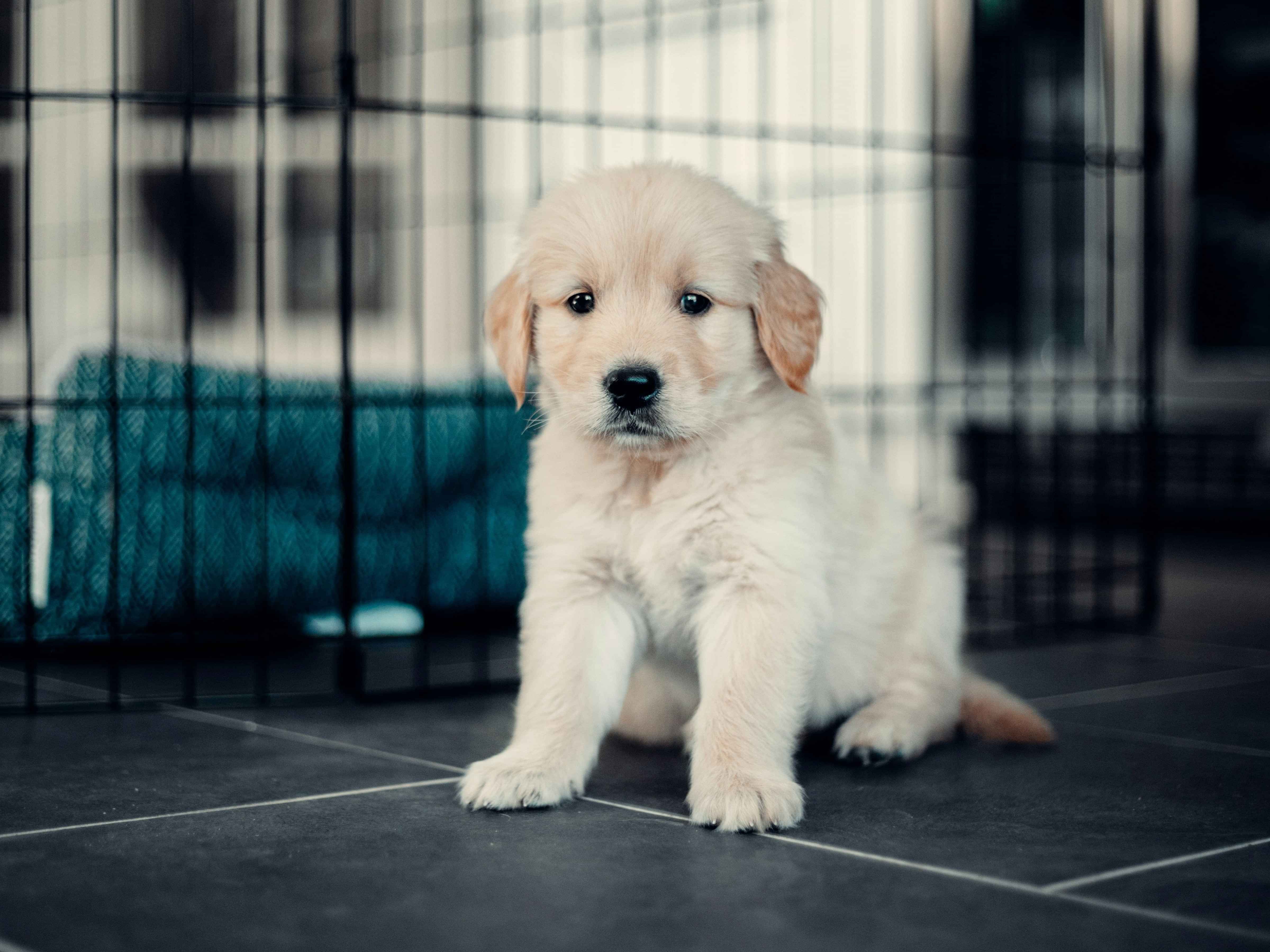
A puppy pen (exercise pen) suitable for your puppy’s size
A crate (the size of your puppy when an adult)
A puppy pad/fake grass (or toilet area)
Bedding, plus extra blankets in winter
Water bowl/s
Feeding toys – slow bowls and food stuffing toys – start enrichment feeding from the get go
Chew/tug toys (these are toys your puppy can ‘mouth’ but not destroy. You don’t want to teach your puppy to destroy toys).
Snuggle toys - A puppy toy your dog can snuggle with (make it about the same size they are so it feels like another dog)
A ticking clock, egg timer or metronome (can help sooth a puppy on its first few nights away from the litter, mimics a heartbeat – you can also try calm music or something specific like icalmpet or pet acoustics music box
Puppy appropriate food (check which diet they are on before they come home)
Long lasting chews – kangaroo tendons, lambs ears, kangaroo jerky are all suitable for puppies, but need to be supervised while eating.
Collar and tag for identification and a lead
A harness for the car
A harness for walking (note most harnesses are not ideal for both jobs……no matter what the packet says)
Puppy Proofing the House
Get down on your hands and knees and view your home from the puppy’s perspective, remove all electrical cables, blind chords, or anything that may move in the breeze and catch the attention of a puppy.
Block off access behind and under furniture. Use baby gates to restrict access to certain areas at first.
Things like shoes, dirty washing, remote controls etc that are good to chew should be removed.
You may consider removing floor rugs for a period of time, or putting down a section of impervious flooring over carpet.
Secure all these places.
Gate the top of stairs (or the bottom).
Secure all household chemicals in a high or locked cupboard.
Puppy Proofing the Garden
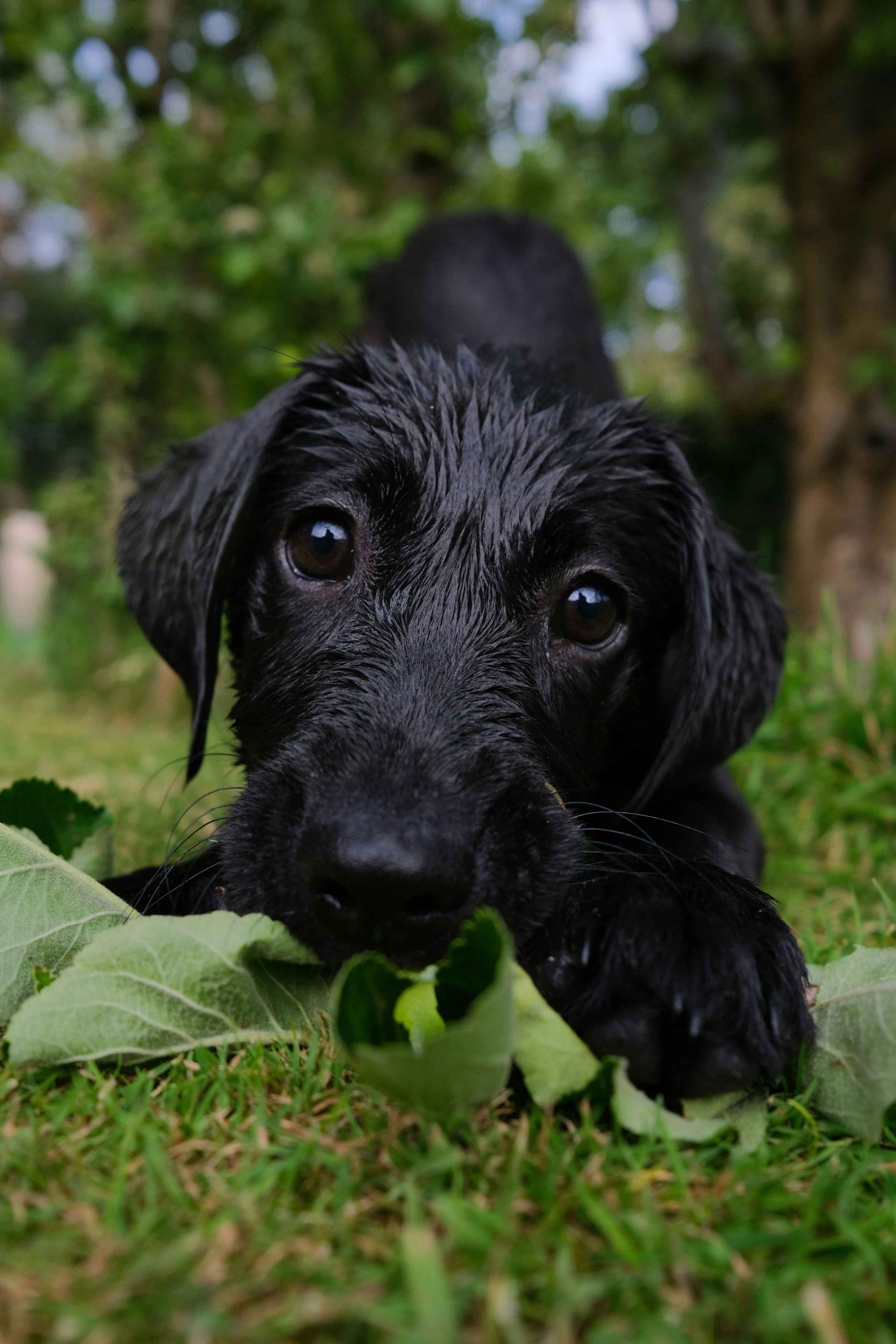
In the garden, look for places where the fence may allow a puppy to crawl/squeeze out, dig out, or climb over. Check for areas where the puppy may fall down and block it off.
Puppies put EVERYTHING in their mouth - it's how they explore the world.
Secure all outdoor lawn/garden chemicals and pesticides in a locked shed.
Make sure all baits (rodent/snail) are removed.
Ensure pool fences are secure. Puppies can squeeze through the smallest of gaps!
Check for toxic plants and remove.
Check out the pet friendly plants guide from AES.
Stairs
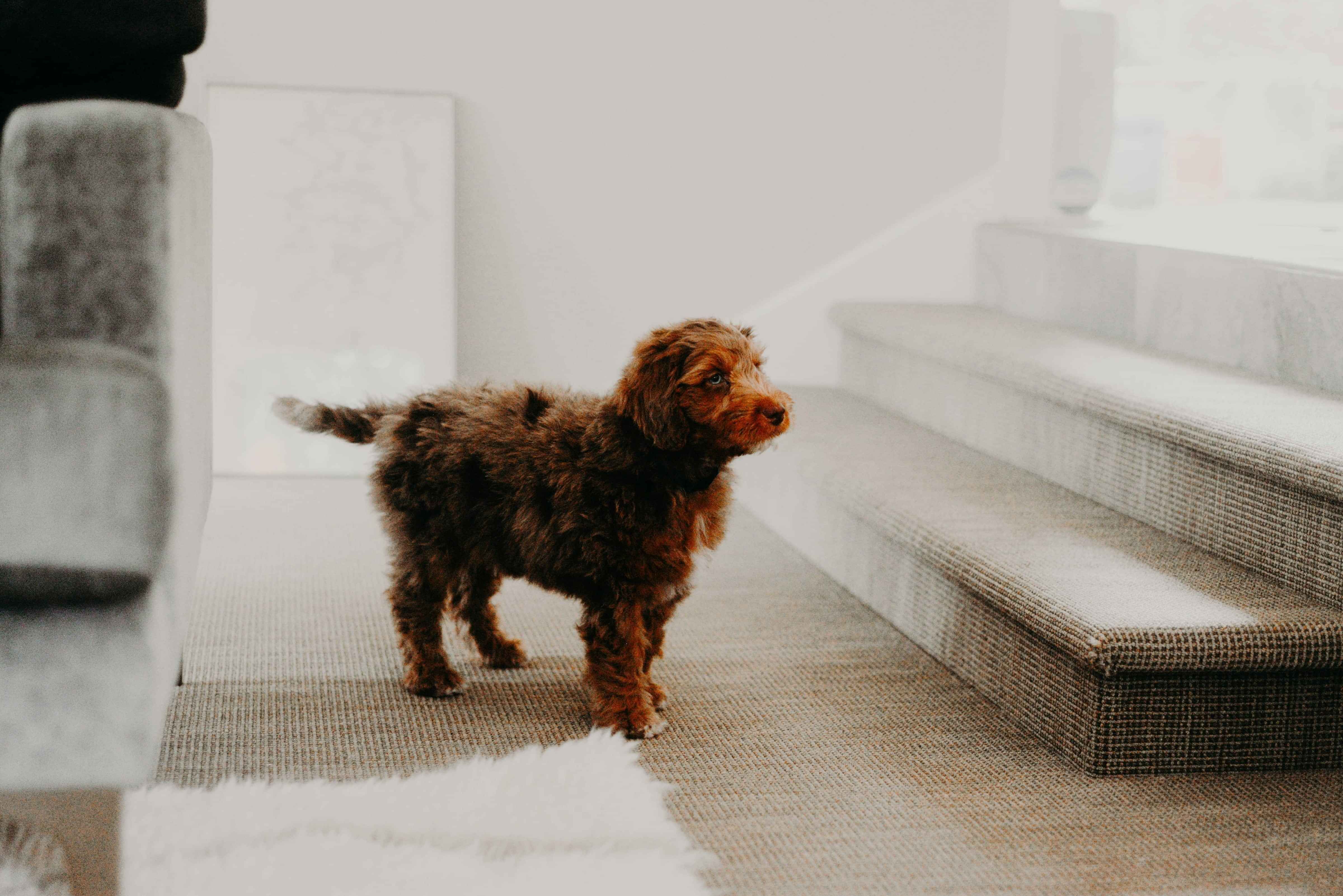
Whether internal or external, install gates to the top of stairs (or the bottom, if upward access is to be restricted). Puppies should not have free use of stairs until their growth plates have closed. Around 12 – 18 months depending on the breed.
Refer to our puppies and stairs post for more info!
Also growth plates and puppy exercise post
Other Pets
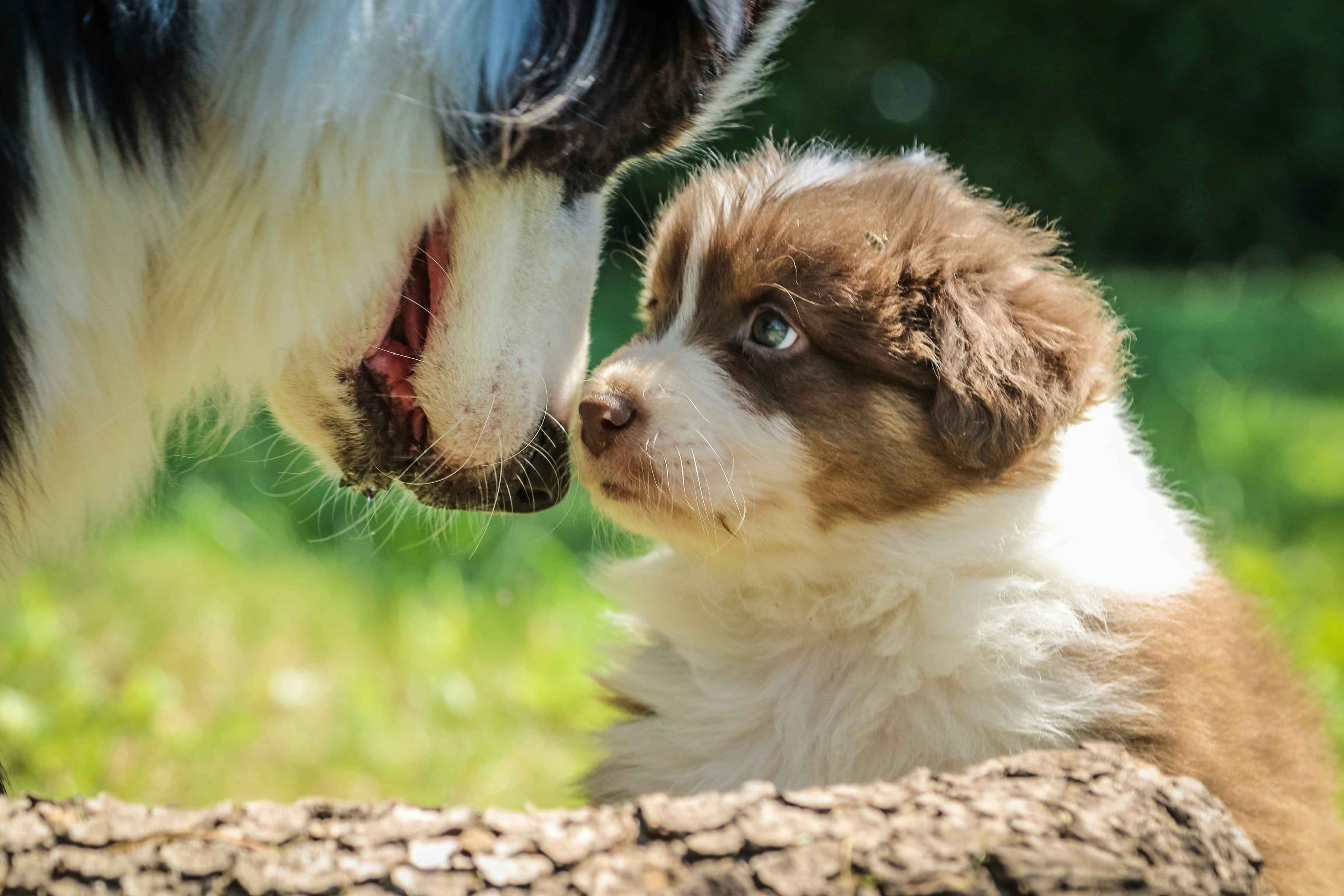
Introducing a new puppy to existing pets can be fun but sometimes hectic! So for this reason, we do advise to have one person for each animal if possible.
Allow the puppy to come home and explore one area without other pets present, or at least in another part of the house. Often the front yard is a good option.
Plan for the introduction of one pet at a time. Make every first impression the best you possibly can, allow introduction through screen doors or on lead if both animals are calm. Use lots of rewards for calm behaviour and be prepared to separate if one pet gets too excited.
Get in touch with us to make a plan for your situation.
Extra Tips
Enroll in a modern positive reinforcement puppy class
Keep the details of your vet and closest emergency vet handy
Keep our details handy! Or a positive reinforcement trainer in your area
Book a 'pre puppy session' - sometimes an experienced eye can help getting things set up properly for a puppy. Contact us to arrange an in home session before you get your puppy.
Links: